
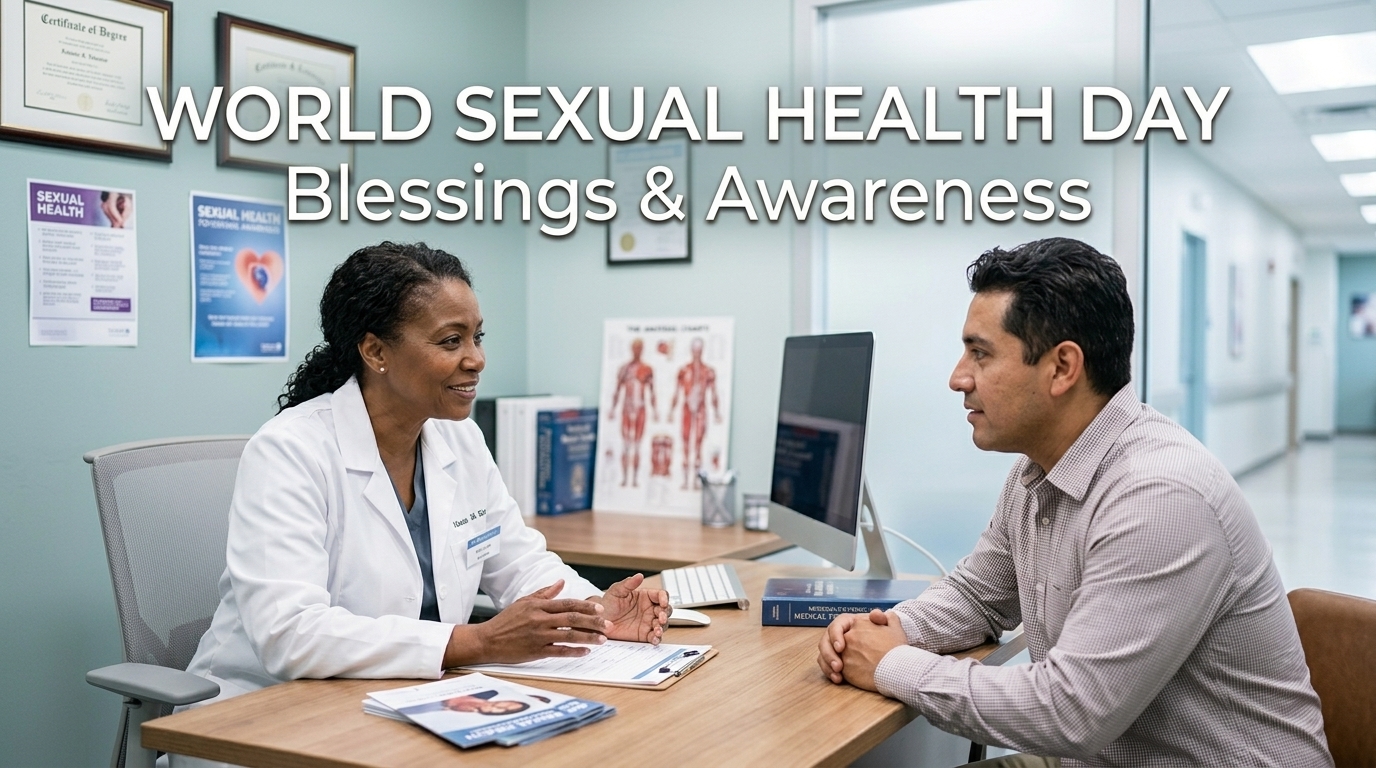
World Health Day is an important opportunity to raise awareness about Best World Health Day: Blessings & Awareness 2026-27, health, education, safety, respect, consent, and healthy relationships. Health is an important part of overall well-being, yet many people still feel uncomfortable discussing it or do not have access to reliable information.
Awareness can help people understand their bodies, make informed decisions, communicate openly, recognize unhealthy situations, and seek professional healthcare when needed.
This day also encourages communities to replace myths and stigma with accurate, respectful, and age-appropriate health education.
What Is World Health Day?

World Health Day is an awareness observance associated with the World Association for Health (WAS) and its efforts to promote health and rights worldwide.
The broader goal of health awareness is to encourage people to understand that health is not simply about avoiding illness.
Why Is Health Awareness Important?
Health awareness gives people reliable knowledge that can support healthier decisions throughout life.
Promotes Better Health Education
Accurate education can help people understand reproductive health, infections (STIs), contraception, and when to seek medical advice.
Reduces Shame and Stigma
Fear and embarrassment can prevent people from asking questions or seeking healthcare. Open and respectful conversations can make it easier to access trustworthy information.
Encourages Healthy Relationships
Healthy relationships are built on communication, mutual respect, trust, boundaries, and consent.
Supports Personal Safety
Understanding boundaries and consent can help people recognize respectful behavior and situations that may be unsafe or inappropriate.
Health and Overall Well-Being

Health is connected to many aspects of a person’s well-being. Physical health, emotional wellness, relationships, communication, and access to healthcare can all influence health.
Physical Health
Physical health includes preventive healthcare, reproductive health, STI awareness, and seeking qualified medical care when symptoms or concerns arise.
Emotional and Mental Well-Being
Feelings, self-esteem, stress, relationship experiences, and personal values can affect well-being. People should feel safe discussing concerns with an appropriate healthcare professional.
Social and Relationship Health
Respectful communication and healthy boundaries are essential parts of positive relationships.
Key Topics to Discuss on World Health Day

Health Education
Reliable education helps people distinguish facts from misinformation. Information should come from qualified healthcare professionals, recognized health organizations, and evidence-based educational resources.
Consent and Personal Boundaries
Consent means freely agreeing to something without pressure, fear, manipulation, or coercion.
STI Awareness
STIs can affect people of different ages and backgrounds. Learning about prevention, testing, symptoms, and treatment can encourage responsible healthcare decisions.
If someone is concerned about possible exposure or symptoms, a healthcare professional or health clinic can provide appropriate advice and testing.
Reproductive Health
Reproductive health education can include information about fertility, contraception, pregnancy, menstrual health, and access to professional healthcare.
How to Promote World Health Day Awareness

There are many positive ways to spread awareness.
Share Reliable Information
Use trusted health organizations and qualified professionals as sources rather than spreading unverified claims on social media.
Encourage Respectful Conversations
Create an environment where people can ask health-related questions without unnecessary shame or judgment.
Promote Healthcare Access
Encourage people to speak with healthcare professionals when they have concerns about sexual or reproductive health.
Challenge Health Myths
World Health Day can be an opportunity to correct common misconceptions with evidence-based information.
World Health Day Awareness for Young People

Young people need age-appropriate, accurate, and responsible health education. Parents, guardians, teachers, and healthcare professionals can help young people understand topics such as personal boundaries, respect, consent, puberty, online safety, and where to find trustworthy health information.
Common Health Myths and Facts
Myth: Health only means preventing infections
Fact: Health is broader and can include physical, emotional, mental, and social well-being.
Myth: Talking about health encourages risky behavior
Fact: Responsible, age-appropriate education can help people understand health, safety, consent, and responsible decision-making.
Myth: You should avoid doctors when discussing sensitive health concerns
Fact: Healthcare professionals regularly address sensitive health concerns and can provide confidential, medically appropriate guidance according to local laws and policies.
Ways to Celebrate World Health Day

You do not need to organize a large event to support health awareness.
- Share educational content from trusted health organizations.
- Encourage respectful conversations about health and relationships.
- Learn about STI prevention and testing.
- Promote consent and healthy boundaries.
- Support access to reliable reproductive healthcare.
- Correct misinformation respectfully.
- Encourage people to consult qualified healthcare professionals.
- Share awareness messages on social media.
World Health Day Awareness Messages

“Healthy relationships begin with respect, communication, trust, and consent.”
“Knowledge is an important part of protecting your health and making informed decisions.”
“Break the silence, challenge the stigma, and promote accurate health education.”
“Respect boundaries, value consent, and encourage healthy conversations.”
Final Thoughts
World Health Day Awareness provides an opportunity to promote World Health Day blessings: knowledge, respect, safety, consent, healthy relationships, and access to healthcare. Health is an important part of overall well-being, and accurate education can help people make informed and responsible choices.
The most meaningful way to observe this awareness day is to replace shame and misinformation with trustworthy information and respectful conversations. If you have a personal or reproductive health concern, speaking with a qualified healthcare professional is the best way to receive advice appropriate to your situation.
Frequently Asked Questions
What is World Health Day?
World Health Day is an awareness occasion focused on promoting health, education, rights, well-being, and respectful conversations about health.
When is World Health Day observed?
World Health Day is observed annually on September 4.
Why is World Health Day important?
It helps raise awareness about health, STI prevention, reproductive health, consent, healthy relationships, and access to reliable healthcare information.
What is the main purpose of health awareness?
The main purpose is to encourage informed, healthy, safe, and respectful approaches to reproductive health while reducing misinformation and stigma.
How can I promote World Health Day awareness?
You can share reliable educational information, participate in awareness campaigns, encourage respectful conversations, promote healthcare access, and help challenge harmful myths.
Is health part of overall health?
Yes. Health can influence and be influenced by physical, emotional, mental, and social well-being.
Why are consent and boundaries important?
Consent and personal boundaries help establish respect and safety in relationships. Consent should be voluntary, informed, and free from pressure or coercion.
Where can I get reliable health information?
Reliable information can be obtained from qualified healthcare professionals, reputable medical institutions, public-health organizations, and recognized health organizations.

Lilly Ella is a writer and content creator at Blessingliy, passionate about creating meaningful blessings, heartfelt wishes, prayers, and inspirational messages for everyday moments.